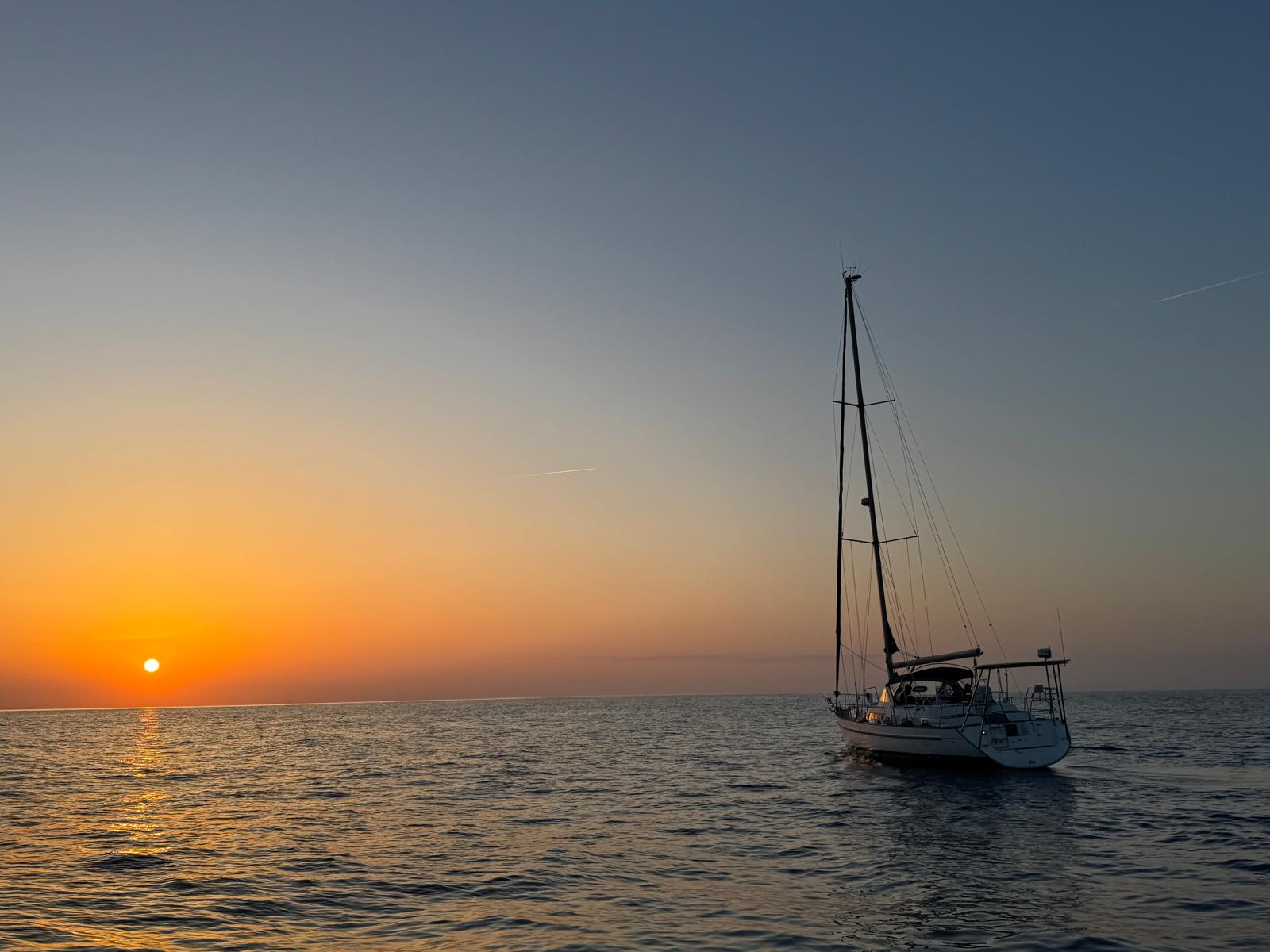
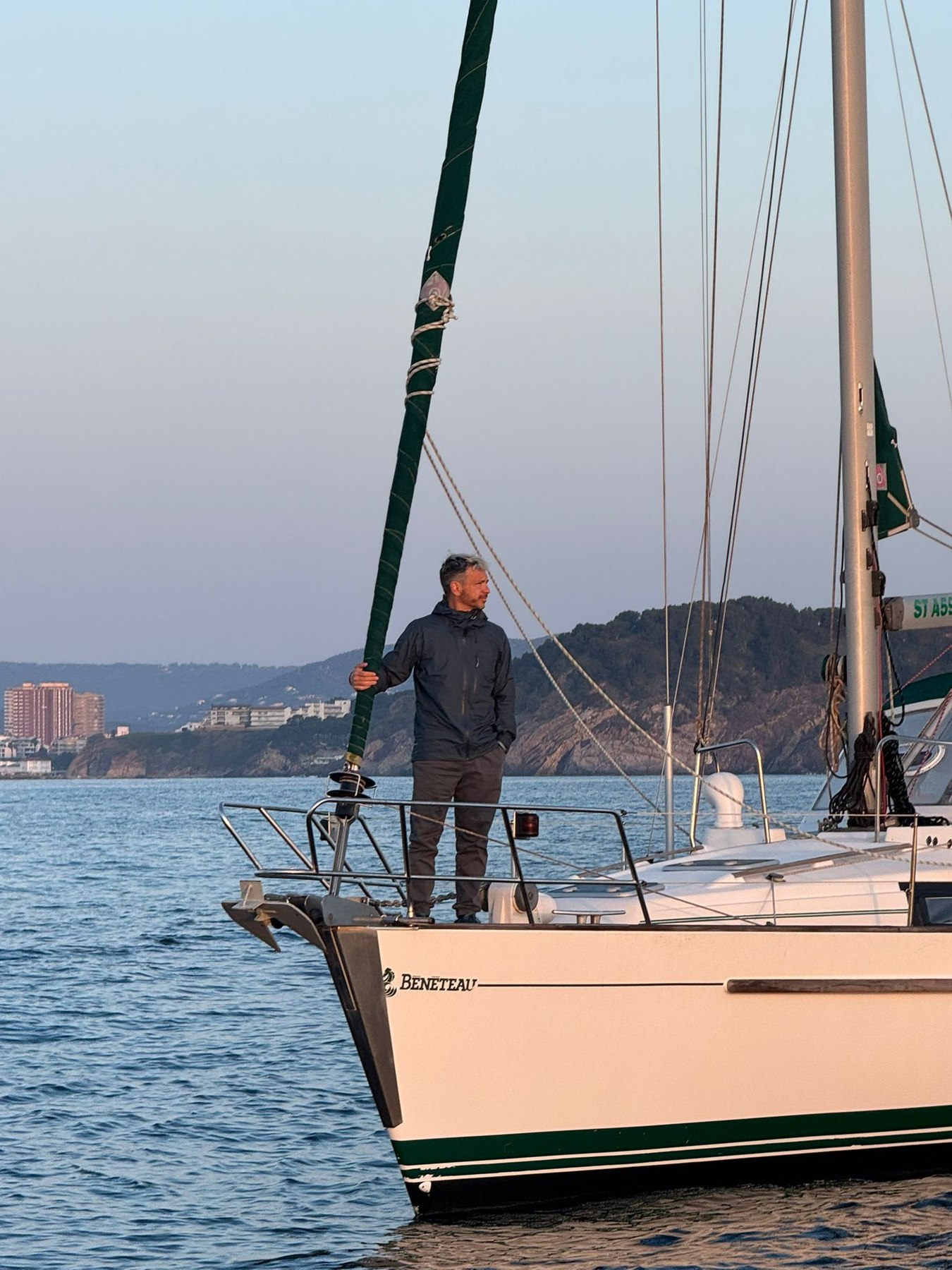
The Garbí — the Costa Brava's thermal breeze
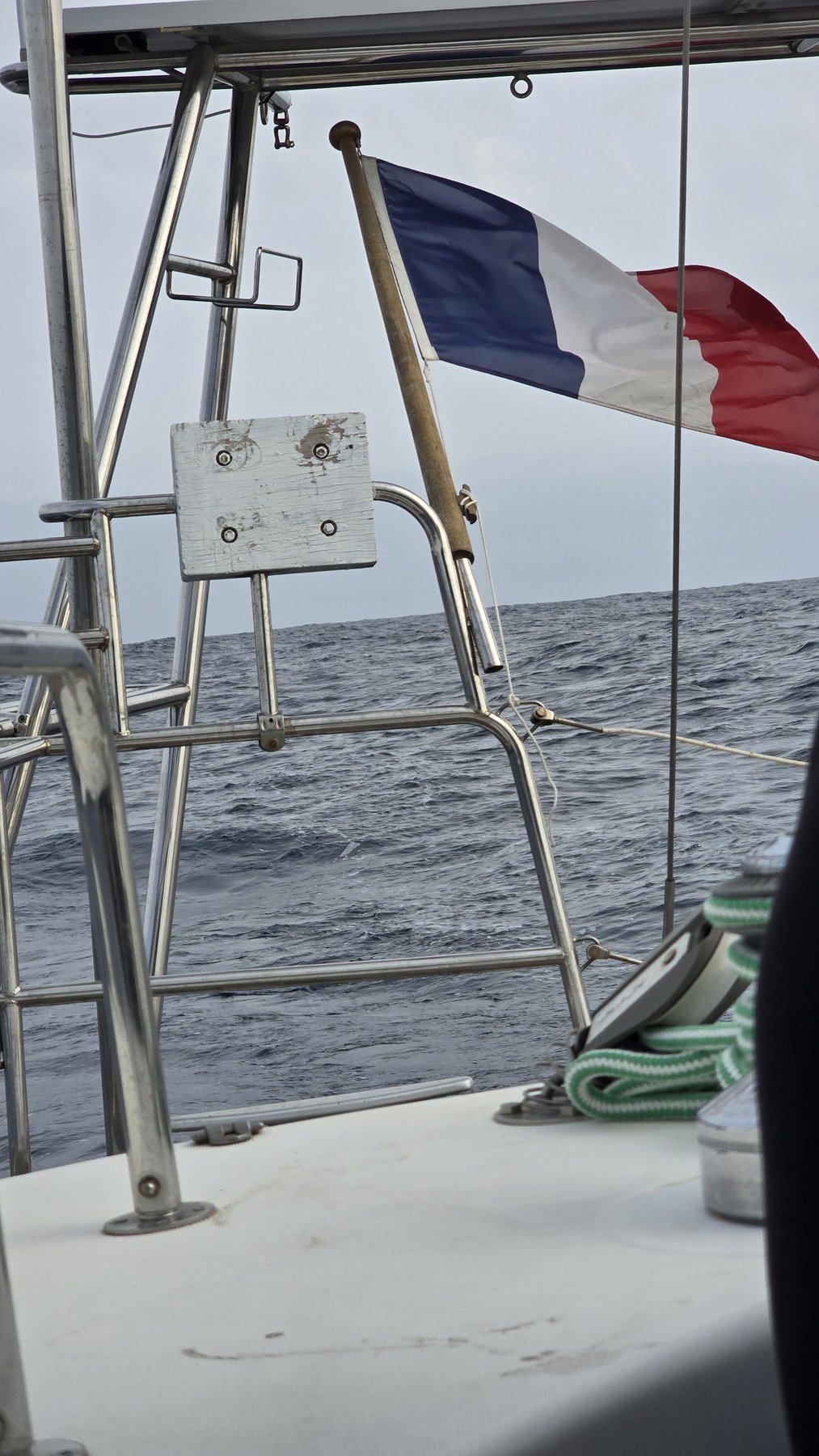
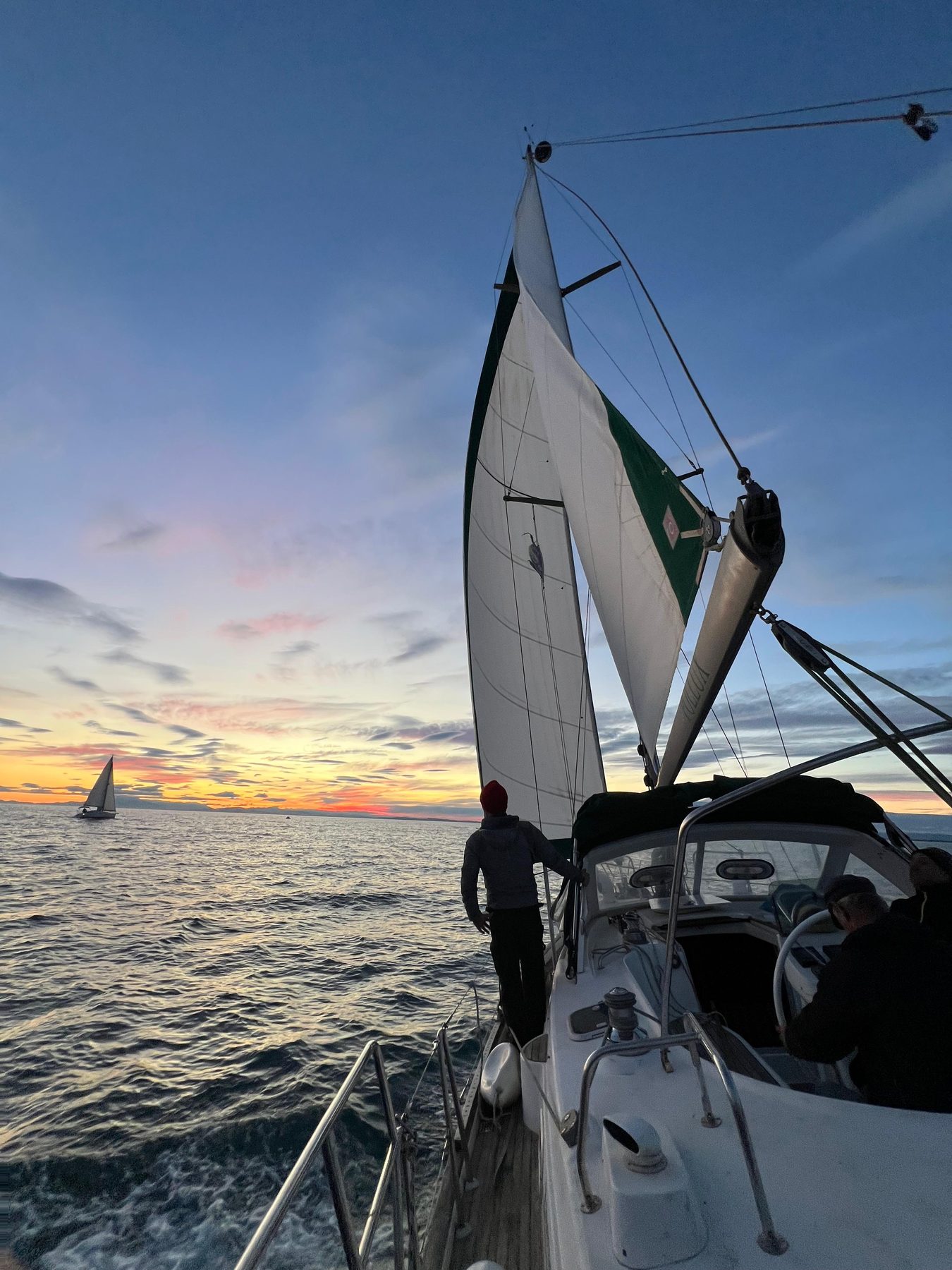
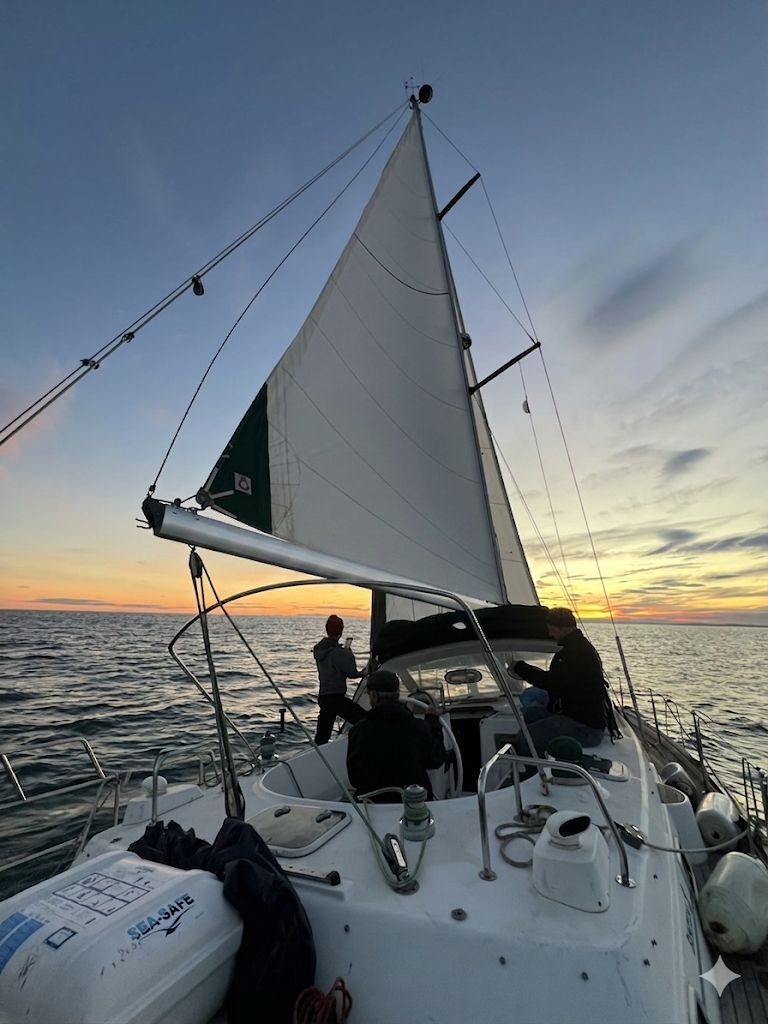
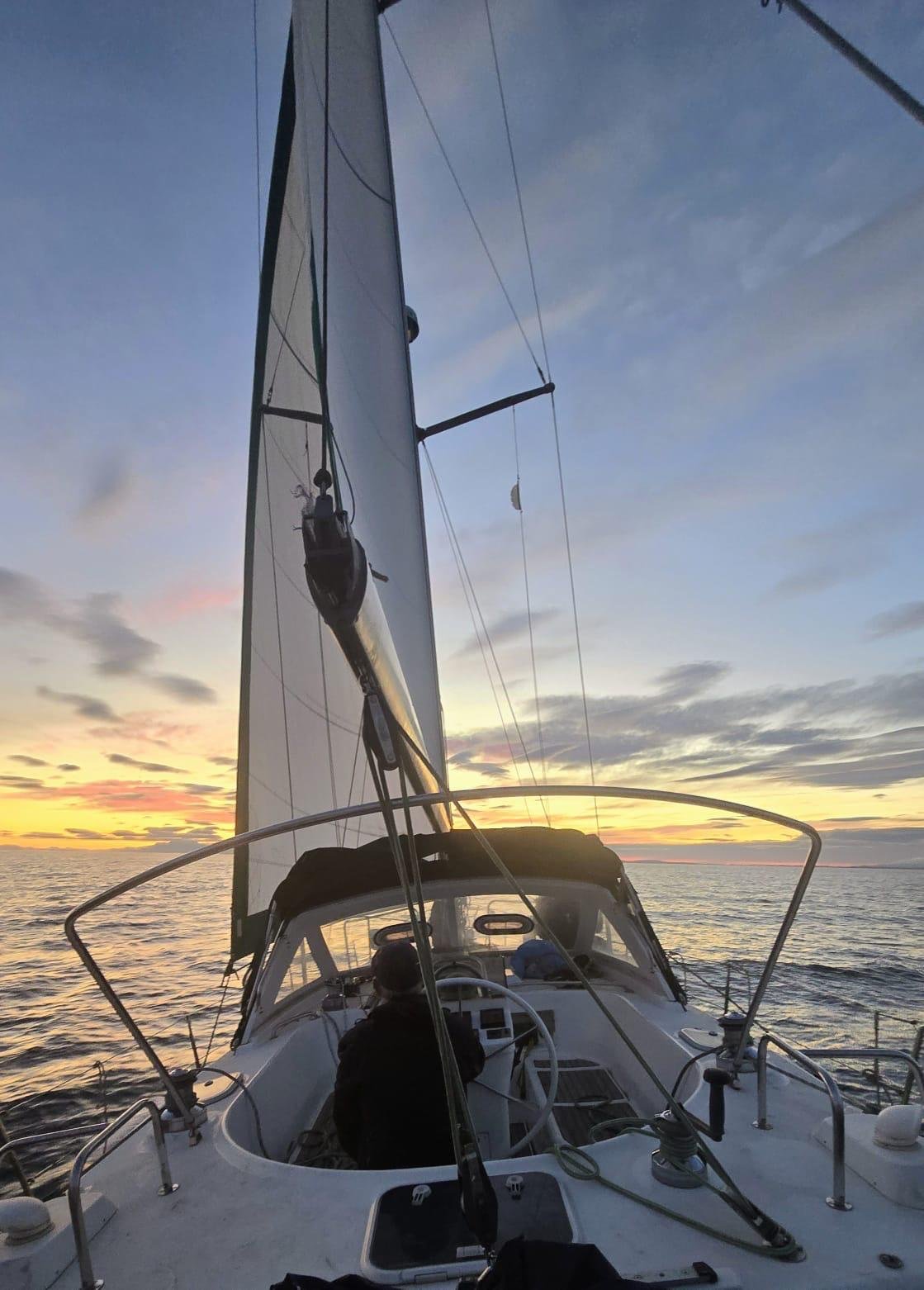
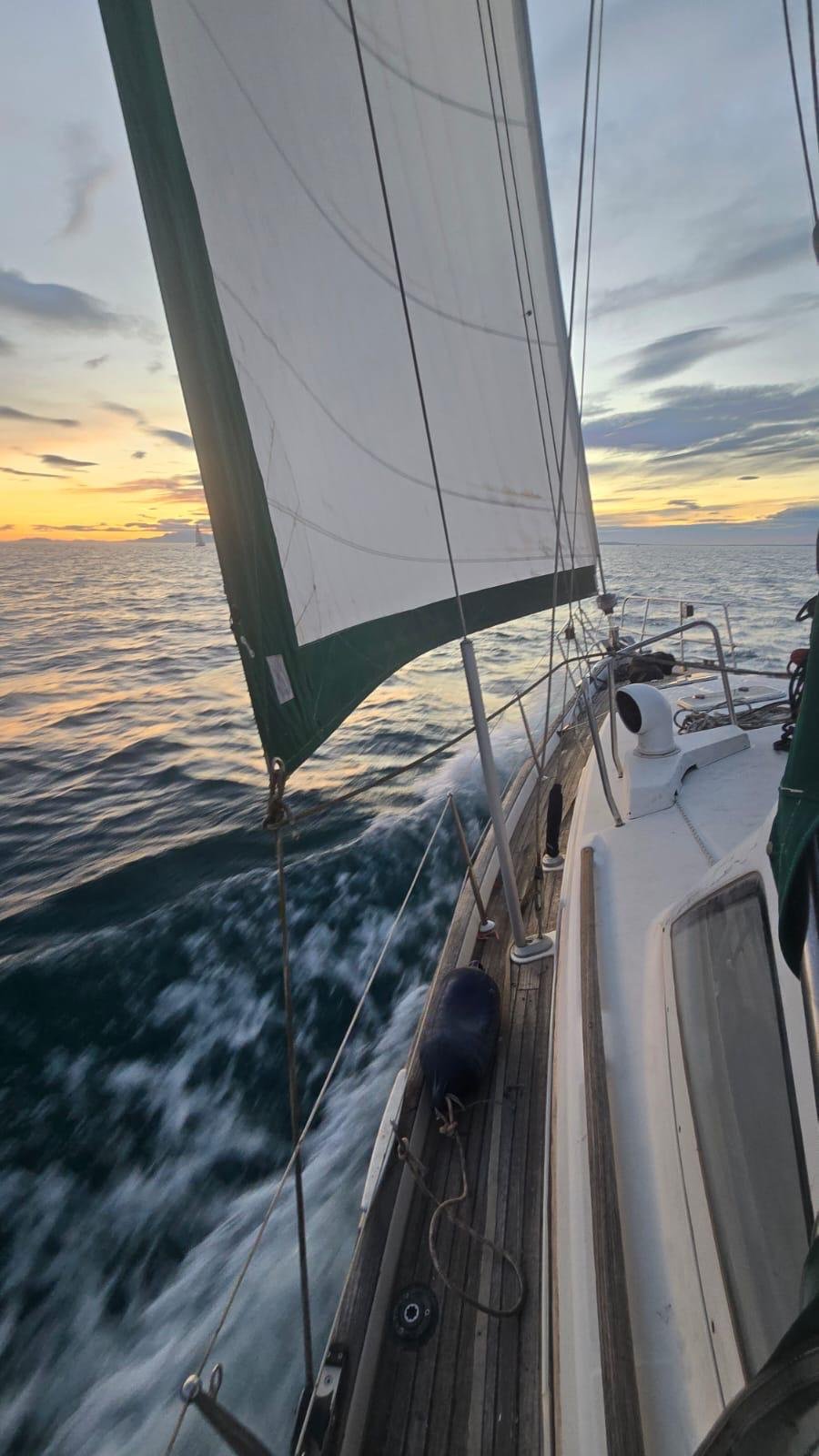
Through the warm season, the Costa Brava enjoys a remarkably steady thermal wind: the Garbí — the sea breeze that builds mid-morning and dies in the late afternoon. Catalan fishermen have known it forever, and the local saying captures it well: it rises when the sailboats leave the harbor, and goes to bed before dinner.
Typical strength: 10 to 25 knots, ideal for a 40-foot cruiser. Neither maddening calms nor storm-force gales. A clean, steady breeze that lets you cover real distances without forcing, sail enjoyable tacks, and be back at anchor in time for a swim. For the experienced Mediterranean sailor, it's about as good as it gets.
At dawn and in the early evening, the wind drops — those are the perfect hours for quiet anchoring, swimming, or motoring from one cove to the next.
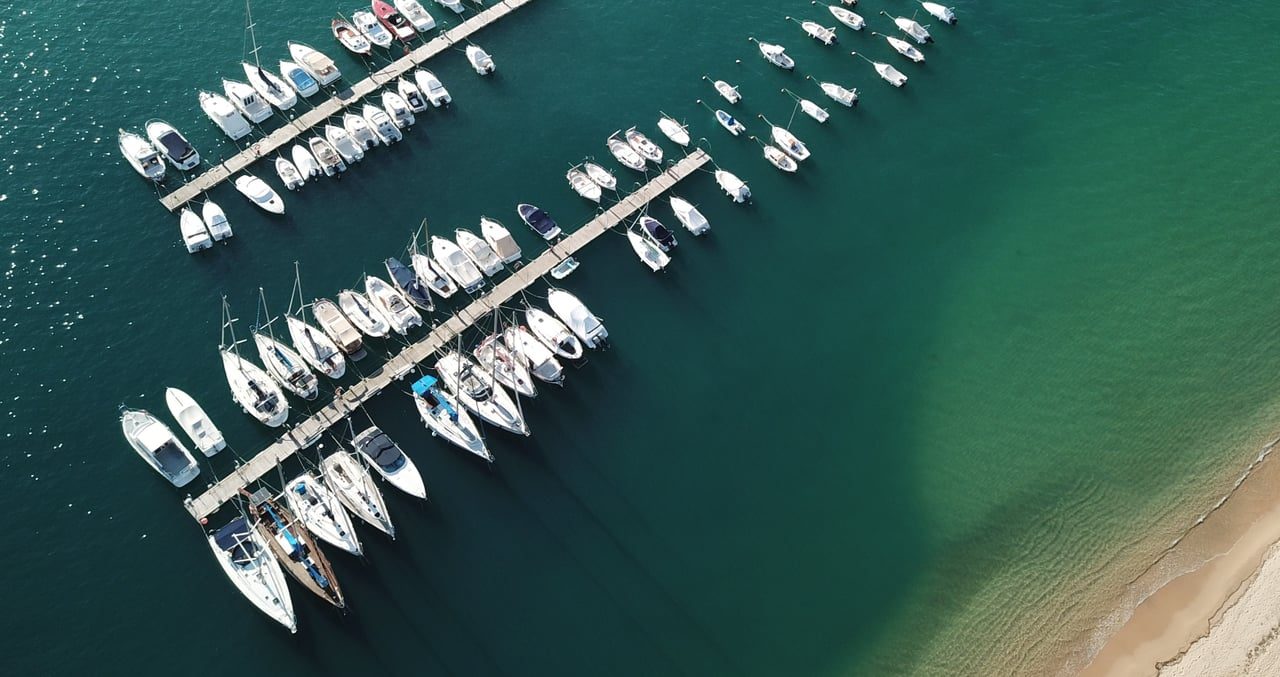
The bay of Palamós is already a destination
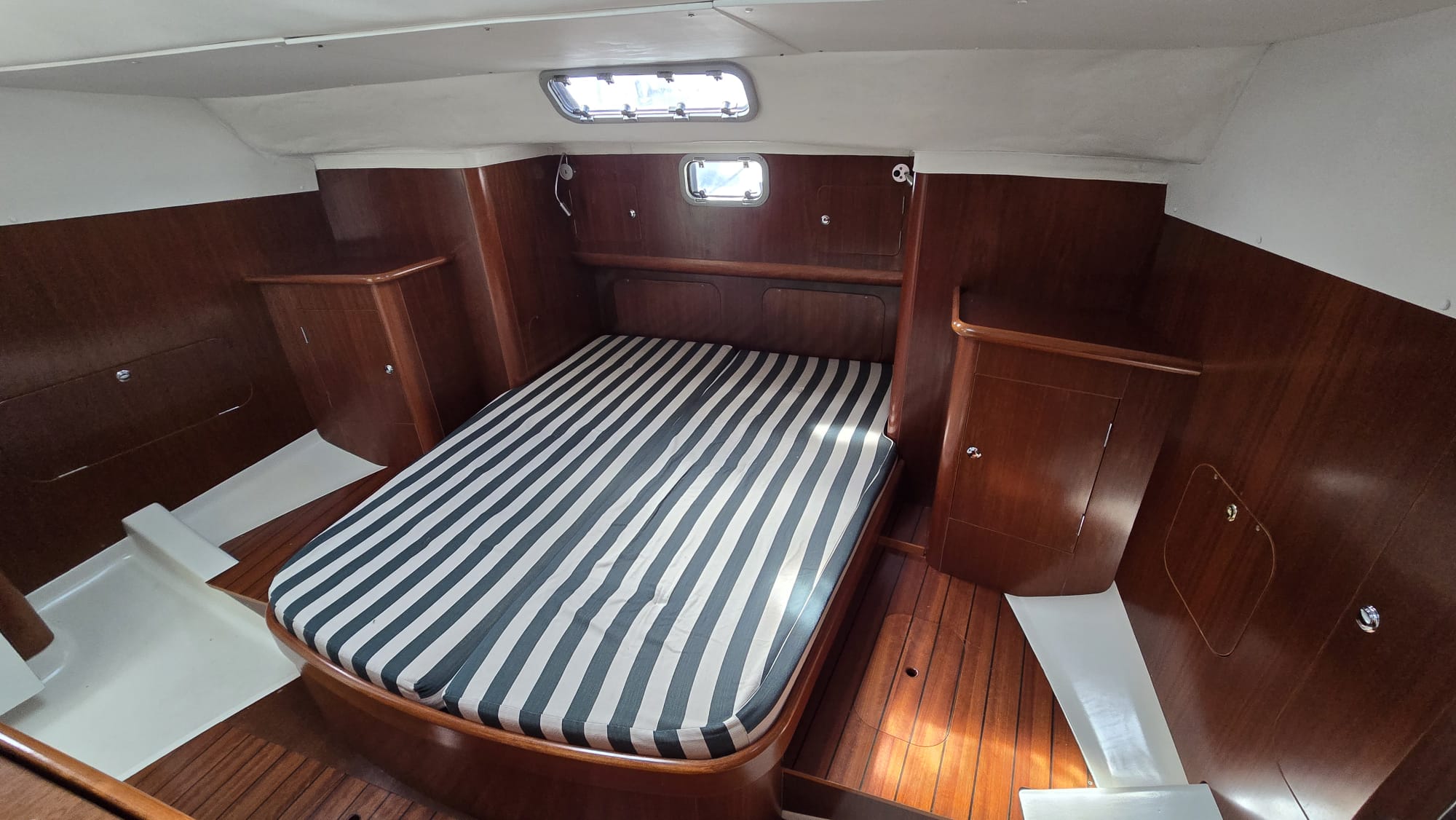
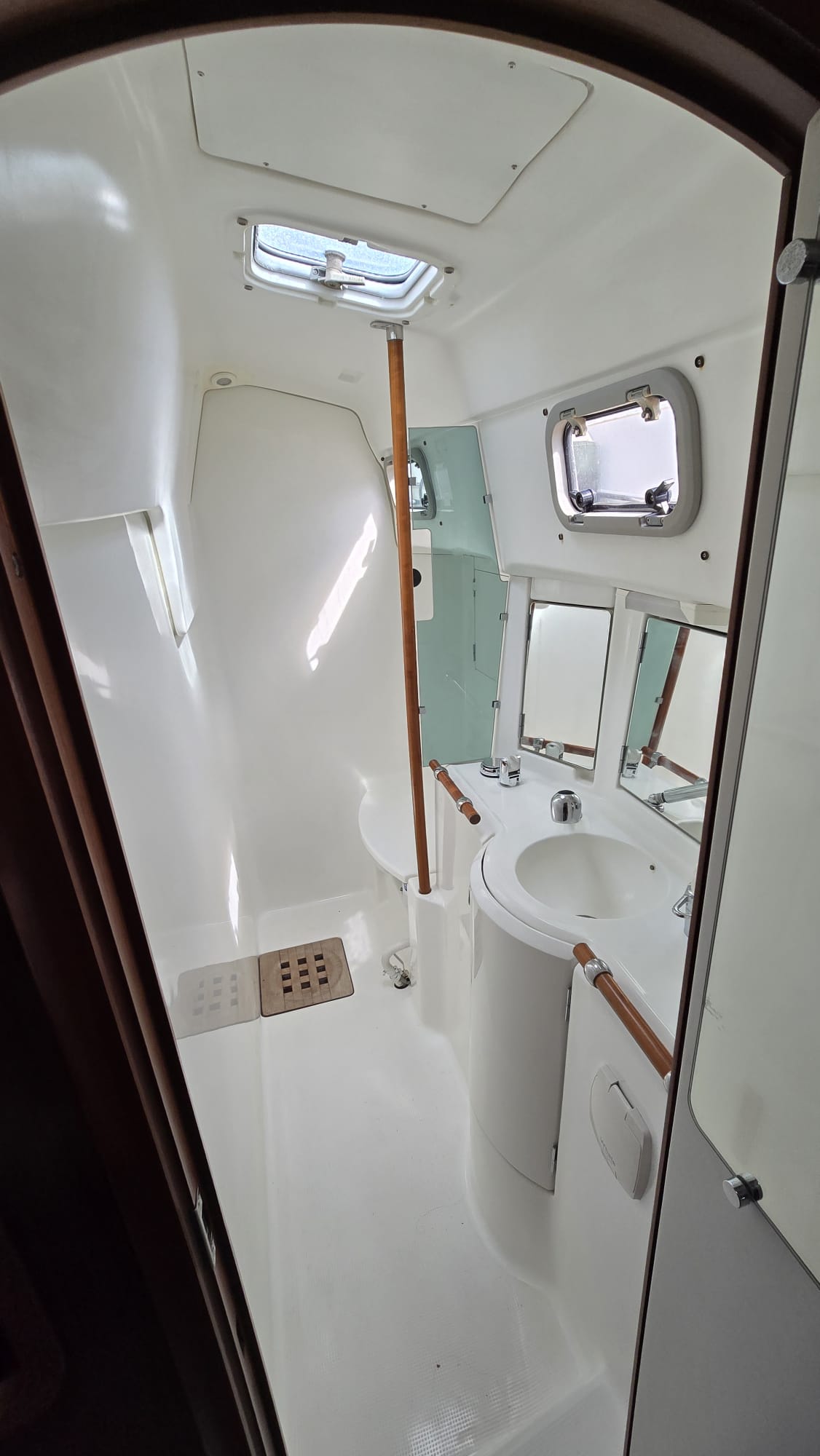
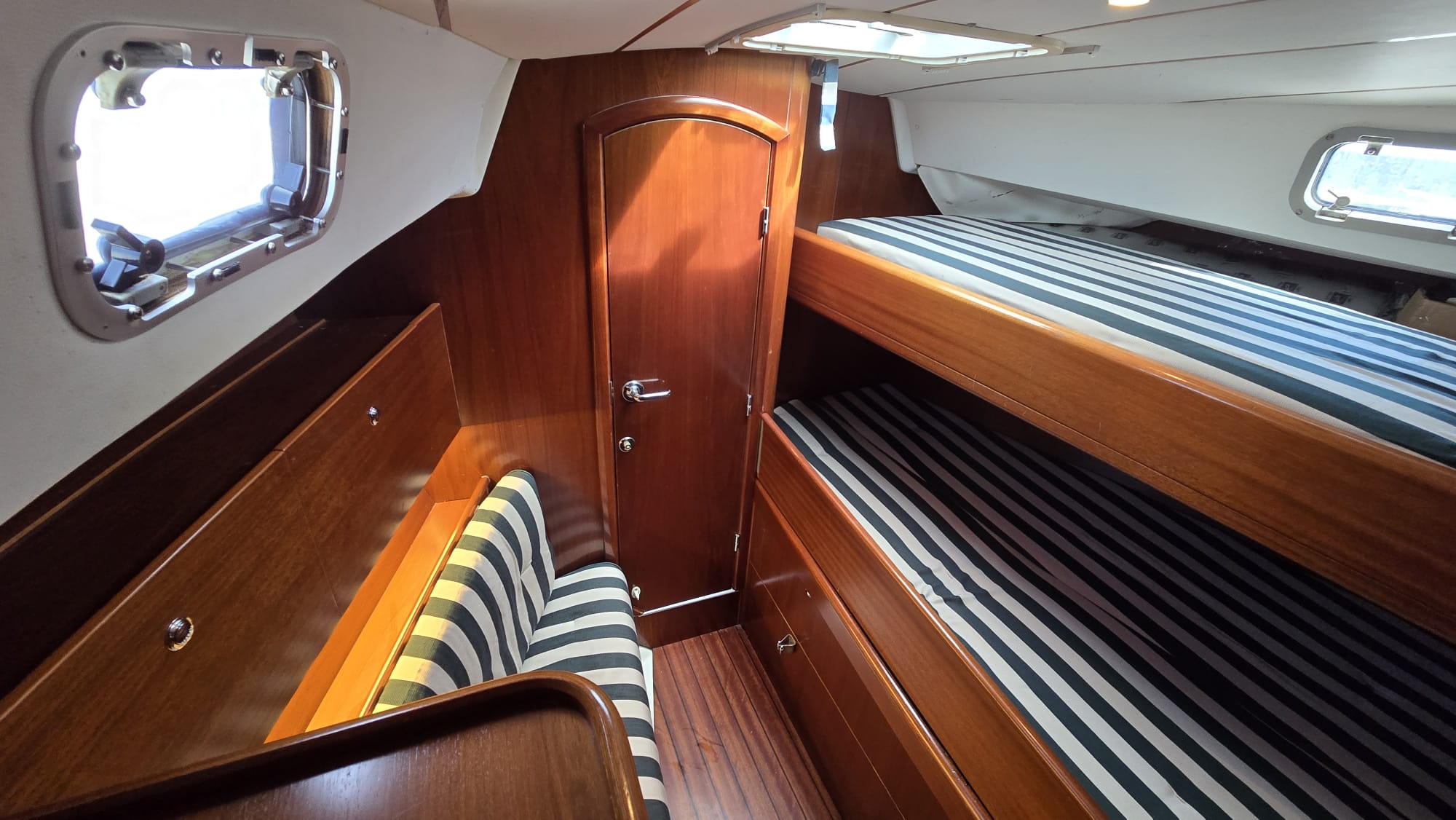
A perfect day on the Calma doesn't require a long passage. Cast off mid-morning, slip out of the bay on the first puffs of Garbí, take an hour or two of sailing along the coast — turquoise water, pine cliffs. Drop the hook off Cala de la Fosca or further on toward Cala Margarida, swim, eat lunch on deck, nap under the bimini. Late afternoon, an easy run back to the mooring, shower on board, and dinner in one of the small restaurants of old Palamós — tapas, Costa Brava anchovies, local white wine. It's, in itself, one of the finest days you can give a sailboat.
And beyond, four postcard excursions
To the north — the Medes Islands. Two hours of sailing north, off L'Estartit. A protected marine reserve, one of the finest snorkeling and diving zones in the western Mediterranean. You swim among groupers, starfish, conger eels, sea bream, in water of stunning clarity. Mooring on regulated buoys (booking required), no fishing, perfectly organized. A day no one forgets.
Further north — Cadaqués & Cap de Creus. The end of the Catalan world. Cadaqués, the white village that inspired Dalí — accessible only by sea or mountain road. The stretch between Cadaqués and the Cap de Creus shows the most raw, mineral coastline of the Costa Brava, with coves few boats ever visit. Once you round the cape, you reach the French Côte Vermeille — Banyuls, Collioure, Port-Vendres — for those who want to push on.
To the south — Tossa and its calas. Ninety minutes of sailing south. Tossa de Mar with its medieval castle (the Vila Vella) plunging into the sea — one of the most photographed silhouettes on the coast. And around it, a string of remarkable coves: Cala Pola, Cala Giverola, Cala Llevadó, Cala Bona — turquoise water, sea-only access for most, sandy bottoms, pine forests dropping to the shore.
A week toward Barcelona. For those who want a different week: down from Palamós to Barcelona, and back. The Mediterranean of great cities — Sitges, Port Vell, the Olympic harbor. A few nights in town, tapas dinners, the contrast with the wild northern coves. A more urban itinerary, with favorable winds for the return.
From Palamós, the navigable range covers the entire Catalan coast and the French Roussillon: Blanes south (where the Costa Brava officially begins), Tossa, Sant Feliu, Calella de Palafrugell, Llafranc, Tamariu, Aiguablava, Sa Tuna, L'Estartit and the Medes, L'Escala, Cadaqués, Cap de Creus, Portbou. Across the border, the Côte Vermeille — Banyuls, Collioure, Port-Vendres, Argelès. Barcelona further south. Far more sea than anyone can explore in a single season.
A typical day, in high season
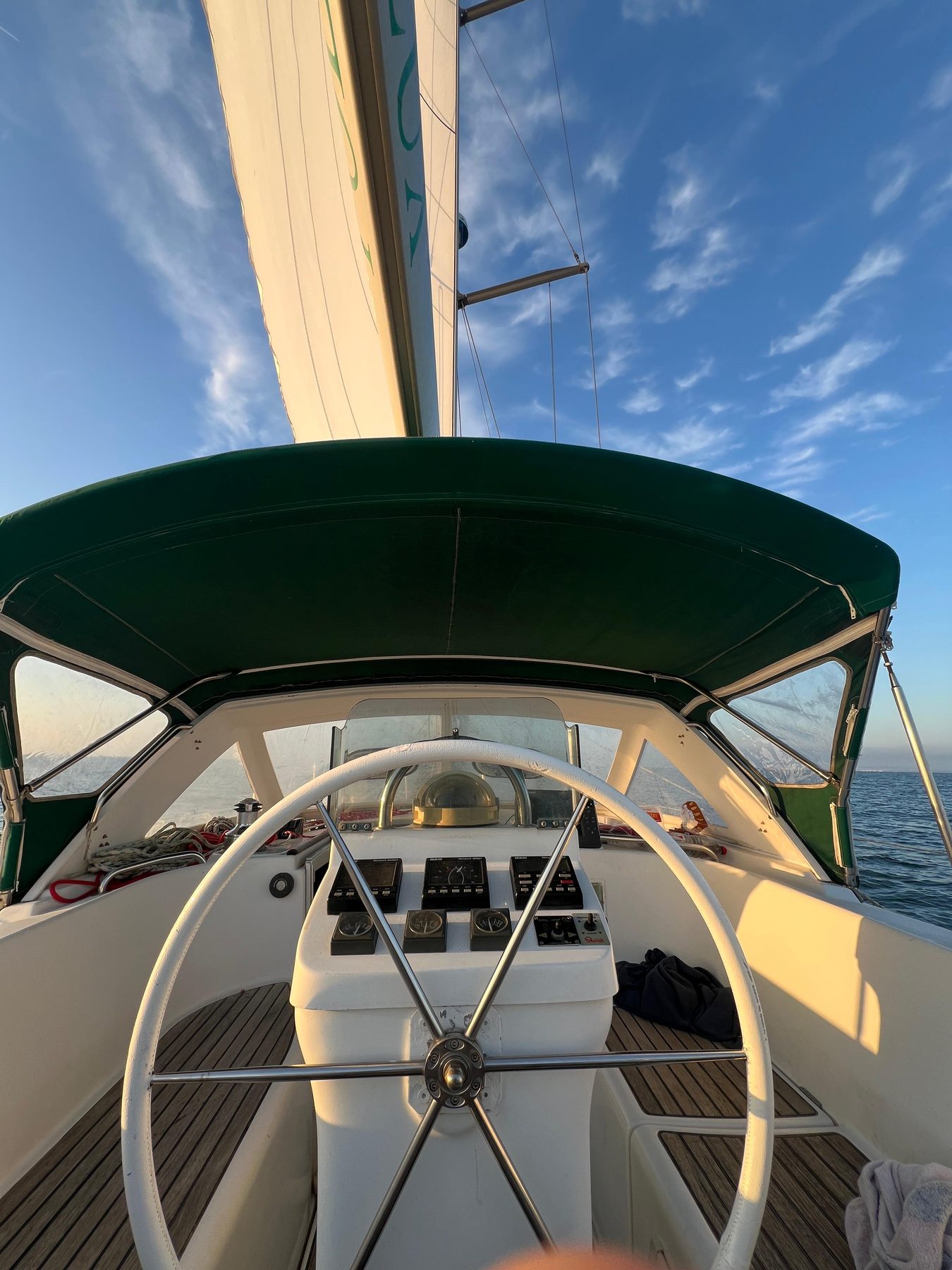
Coffee on board at first light, water still glassy. Cast off around nine and motor to a quiet cove — swim, snorkel, breakfast on deck. By eleven the Garbí comes in from the southeast: sails up, broad reach to the next stop. Anchor in early afternoon, nap, read, swim. Late afternoon, one last tack before the wind drops. Back to port for a shower, dinner at the village tapas place. It's a very simple rhythm, and it is exactly what makes this coast beautiful.
And there's something nobody talks about: the Costa Brava is one of the least crowded coastlines for cruising in high season. Very few marina berths along an extraordinary coastal length. The result is simple: you drop anchor in crystalline coves, sometimes alone, sometimes with two or three other boats — where the same cove on the Côte d'Azur or the Balearics would be packed. One of the best-kept secrets in Mediterranean sailing.
Primary cruising ground: Costa Brava and the Roussillon coast (Banyuls to Blanes, Barcelona further south). The Balearics? Not yet — a possible evolution for future seasons, when both confidence and equipment have grown together.